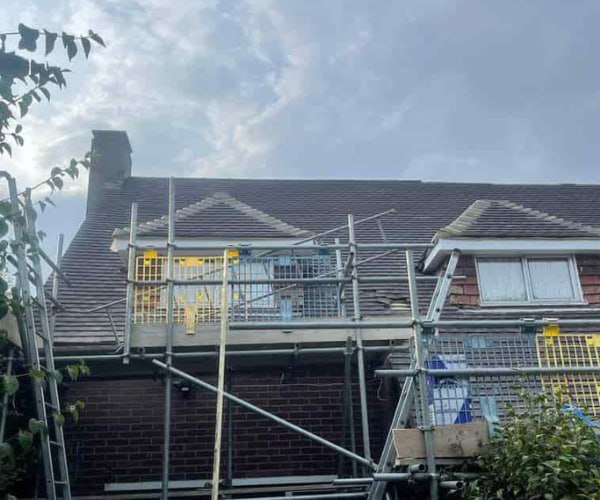
New Roof or Roof Repairs: What Should You Consider?
When roofing problems begin to appear, one of the most important decisions for any homeowner is whether to repair the existing roof or consider a complete replacement. A damaged tile, localised leak or small area of deteriorated flashing can often be repaired successfully, but widespread wear or recurring problems may indicate that the roof is approaching the end of its practical lifespan.
For homeowners in Tickhill, South Yorkshire, the right decision should be based on the overall condition of the roofing system rather than a single visible problem. At GKL Roofing Tickhill, we assess roofs carefully to establish whether professional repairs can restore reliable performance or whether a new roof would provide a more suitable long-term solution.
Start With the Overall Condition of the Roof
Before deciding between roof repairs and replacement, it is important to understand the condition of the roof as a whole. Looking only at the most obvious defect can give an incomplete picture.
A professional inspection can assess:
- Tiles or slates across the entire roof
- Ridge and hip areas
- Lead flashing
- Roof valleys and junctions
- Underlying roofing materials where accessible
- Signs of water ingress or deterioration
This provides a much clearer basis for deciding what work is actually required.
Is the Damage Localised?
When damage is limited to one particular section and the remainder of the roof remains in good condition, targeted repairs may be entirely appropriate.
Examples can include:
- A small number of slipped tiles
- An isolated cracked tile
- Localised flashing deterioration
- Minor damage following poor weather
- A leak traced to one specific defect
Correctly completed repairs can restore weather protection without disturbing roofing materials that are still performing effectively.
Are Problems Developing in Several Areas?
The situation changes when defects are no longer isolated. If tiles are deteriorating across different sections or leaks repeatedly appear in new locations, this can indicate more general ageing of the roofing system.
Warning signs can include:
- Several areas of damaged roofing
- Recurring water ingress
- Widespread tile deterioration
- Repeated movement of roofing materials
- Multiple sections requiring attention
In these circumstances, it is important to consider whether individual repairs will provide the reliability you need in the years ahead.
How Often Has the Roof Needed Repairs?
The repair history of a roof can provide useful information about its remaining condition.
An occasional repair is normal, particularly following many years of exposure to the weather. However, if roofing problems have become increasingly frequent, it may suggest that the materials are deteriorating more generally.
Instead of treating each new problem separately, a comprehensive inspection can establish whether those defects are connected to the overall age and condition of the roof.
Consider the Age of the Roofing Materials
Different roofing materials have different service lives, and installation quality, maintenance and weather exposure all influence how long a particular roof will remain dependable.
Age alone does not mean that a roof automatically requires replacement. An older roof that has been properly maintained may continue to perform effectively, while another roof may deteriorate sooner because of its condition or previous workmanship.
The important question is not simply, “How old is the roof?” but rather, “How well is the roof still performing?”
Look Beyond the Visible Roof Covering
Tiles and slates are only one part of a complete roofing system. Beneath them are components that also contribute to keeping the property dry and structurally protected.
A detailed inspection may reveal deterioration involving:
- Roofing underlay
- Battens
- Roof timbers
- Ventilation
- Areas beneath valleys and junctions
If problems extend beyond the visible roof covering, more comprehensive work may be required.
Are Roof Leaks Becoming a Recurring Problem?
A single roof leak can often be traced to a specific defect and repaired effectively. Recurring leaks require more careful investigation.
Water can travel beneath tiles, along underlay and across roof timbers before becoming visible inside the property. This means the damp patch on a ceiling may be some distance from the actual point of entry.
Repeated leaks can indicate:
- Deteriorated underlay
- Failing flashing
- Multiple defective tiles
- Worn roof junctions
- Wider deterioration of the roofing system
Identifying the underlying cause is essential before deciding whether repair or replacement is appropriate.
Think About Long-Term Reliability
An effective roofing decision should not only solve today’s problem. It should also consider how reliably the roof is likely to perform in the future.
Where most of the roof remains sound, professional repairs can preserve the existing system and extend its useful lifespan. Where deterioration is widespread, a new roof provides the opportunity to renew the complete roofing system rather than continuing to address individual failures as they appear.
The objective should always be dependable, long-term protection for the property.
When Can Roof Repairs Be the Right Choice?
Roof repairs are generally well suited to defects that are clearly identifiable and confined to a limited area.
A properly completed repair can:
- Restore weather resistance
- Prevent a minor defect from spreading
- Protect underlying roofing components
- Extend the serviceable life of the existing roof
The quality of the diagnosis is particularly important. Treating the cause of the problem rather than simply its visible symptoms helps produce a more lasting result.
When Should a New Roof Be Considered?
A new roof may be worth considering when an inspection finds that deterioration is extensive or the existing system can no longer provide dependable protection.
Possible indicators include:
- Widespread material deterioration
- Numerous recurring leaks
- Several areas requiring regular attention
- Significant deterioration beneath the roof covering
- An ageing roof showing multiple signs of failure
Replacement creates a complete new roofing system, allowing worn components to be renewed together and providing a consistent standard of weather protection across the property.
Why a Professional Assessment Makes the Decision Easier
Determining the true condition of a roof can be difficult from ground level. What appears to be a minor defect may have a straightforward solution, while seemingly small symptoms can sometimes reveal a more extensive underlying problem.
At GKL Roofing Tickhill, we provide professional roof repairs and new roof installations throughout Tickhill, South Yorkshire. We assess the complete roofing system before recommending work, helping homeowners understand whether a targeted repair remains suitable or whether replacement should be considered.
Our focus is on identifying the condition of the roof accurately and providing the workmanship needed to achieve a reliable, long-lasting result.
Conclusion
Choosing between roof repairs and a new roof should be based on the condition of the complete roofing system, not simply its age or the most obvious visible defect. Localised problems can often be repaired successfully, while widespread deterioration, recurring leaks and increasingly frequent faults may indicate that replacement is the more appropriate long-term approach.
For homeowners in Tickhill, South Yorkshire, a professional roof inspection provides the clearest way to understand what your roof actually needs. If you are unsure whether your property requires roof repairs or a new roof, contact GKL Roofing Tickhill to arrange an assessment and discuss the most suitable solution for keeping your home properly protected.
Call us on: 01302 490 497
Click here to find out more about GKL Roofing Tickhill
Click here to complete our contact form and see how we can help with your roofing needs.