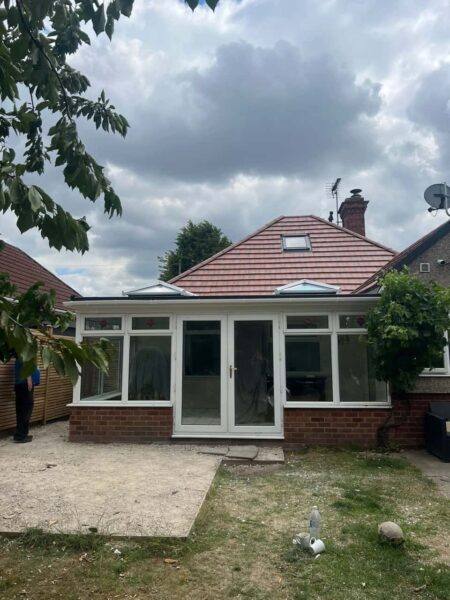
How a Professional Roof Inspection Can Help You Avoid Major Repair Bills
Roofing problems do not always begin with an obvious leak or a large section of visible damage. In many cases, deterioration starts with something relatively minor: a loose tile, a small flashing defect, a deteriorating fixing or an area where water is beginning to reach beneath the roof covering. Left unnoticed, these smaller weaknesses can develop and affect additional components.
For property owners in Tickhill, South Yorkshire, a professional roof inspection can be a valuable part of proactive property maintenance. By identifying developing problems before they become widespread, appropriate repairs can often be carried out while the issue remains localised, helping to avoid the disruption and more extensive work associated with advanced roof deterioration.
Why Roofing Problems Can Be Difficult to Spot Early
Most homeowners only see their roof from ground level. While obvious problems such as missing tiles may be visible, many early defects are considerably harder to identify.
A roof also consists of much more than its visible covering. Tiles or slates work alongside fixings, battens, underlay, flashing, ridge details and other components to keep the property protected.
A small weakness within one of these areas may not produce immediate symptoms inside the home.
By the time a damp patch appears on a ceiling, water may already have travelled beneath the covering.
What Does a Professional Roof Inspection Look For?
The purpose of an inspection is to assess the condition of the roofing system and identify areas that may require attention.
Depending on the roof, this can include checking:
- Tiles or slates for cracking, movement and damage
- Areas where roofing materials have slipped
- Ridge and verge details
- Flashing and leadwork
- Roof junctions and vulnerable weatherproofing details
- Signs of deterioration around previous repairs
- Guttering and roofline components
- Evidence of water penetration
- Visible weaknesses within accessible supporting components
- General deterioration across the roof covering
Rather than concentrating only on an obvious defect, an experienced roofer can consider how the different components are performing together.
Small Tile Problems Can Become Larger Openings
One slipped or cracked tile might initially appear insignificant.
However, roof tiles are arranged to overlap and direct rainfall down the roof. When a tile moves out of position or becomes damaged, the normal protective arrangement can be interrupted.
Materials beneath the covering may then experience increased exposure to moisture.
If the problem is identified early, attention may remain focused on the affected tile and its immediate surroundings. If it remains unnoticed through repeated periods of poor weather, deterioration may extend further.
Inspections Can Identify Why Tiles Are Moving
Finding a slipped tile is useful, but understanding why it slipped is even more important.
Possible causes can include deterioration around the fixing, damage to the tile itself, problems with supporting battens or weather-related movement.
Simply returning the tile to its original position without identifying the cause may allow the problem to recur.
A professional assessment looks beyond the visible symptom and considers what needs to be corrected for a more dependable repair.
Flashing Problems Are Worth Finding Early
Flashing and leadwork protect some of the more vulnerable junctions around a roof.
Small gaps, movement or deterioration in these areas can provide routes for water to enter beneath otherwise serviceable roofing materials.
These defects may be difficult to recognise from ground level, particularly during dry weather.
Professional inspection can identify suspicious areas before repeated water ingress begins affecting materials around the junction.
Roof Leaks Do Not Always Appear Where Water Enters
A common misconception is that an internal damp mark will be directly underneath the external roof defect.
Water does not always behave this conveniently.
Once beneath the covering, moisture can travel along underlay, timbers or other surfaces before becoming visible. As a result, the source of a leak can sometimes be some distance from the internal symptom.
Professional fault finding helps identify the likely entry point rather than simply treating the area where the water finally appears.
Early Detection Helps Protect the Materials Underneath
Tiles and slates are only the outermost part of the roofing system.
Beneath them are components that provide support and additional protection. If an external defect remains unresolved, moisture can eventually reach these less visible areas.
Potentially affected components can include:
- Roofing underlay
- Battens
- Roof timbers
- Insulation
- Internal finishes
Finding and repairing an external weakness early can help prevent a relatively straightforward defect from progressing deeper into the roof.
Previous Repair Areas Can Be Checked
An established roof may have undergone repairs at different points during its service life.
This is entirely normal, and a properly completed local repair can continue performing effectively for many years. However, older repair areas are still useful points to examine during an inspection.
The surrounding materials may have aged since the original work was completed, or a new defect may have developed nearby.
Checking these areas helps determine whether previous work remains sound and whether any further attention is needed.
An Inspection Can Reveal Whether a Problem Is Localised
One of the most valuable outcomes of a professional inspection is understanding the scale of deterioration.
Suppose several damaged tiles are visible. The important question is whether those tiles represent isolated defects or form part of a wider pattern.
If the surrounding roof remains secure and serviceable, targeted repairs may be sufficient.
If similar problems are appearing across several areas, a broader assessment can prevent repeated individual repairs from being carried out without addressing the overall condition.
It Can Help Prevent Repeated Repair Cycles
A roof that continually develops new problems can become frustrating for a property owner.
Repeated defects may indicate that individual issues are being caused by a broader weakness. For example, continually slipping tiles could point towards deterioration involving fixings or supporting components rather than a succession of unrelated tile problems.
A comprehensive inspection helps establish whether defects are connected.
This makes it possible to plan appropriate work rather than repeatedly responding to each new symptom as it appears.
Guttering and Roofline Problems Can Also Affect the Roof
A useful roof assessment should not necessarily stop at the tiles.
Guttering, fascias and other roofline components help manage water around the edge of the roof. If gutters become blocked, loose or incorrectly positioned, rainfall may overflow onto areas that experience less water under normal conditions.
Persistent water exposure can contribute to deterioration around the roofline.
Identifying these problems can help keep rainwater moving along its intended route.
Inspections Are Particularly Useful After Poor Weather
Strong winds and prolonged periods of rain can expose existing weaknesses.
A tile may become slightly displaced without falling completely. Flashing may move, or an already weakened component may deteriorate further.
The roof can still look broadly normal from ground level.
If there is reason to suspect that poor weather has affected the roof, professional assessment can identify less obvious problems before the next spell of rainfall tests those vulnerable areas again.
A Roof Does Not Need to Be Leaking to Need Attention
Waiting for water to enter the property is not the best way to determine whether a roof requires maintenance.
A leak is often the result of a defect that has already progressed far enough to allow moisture through multiple layers of the roofing system.
Earlier warning signs might include:
- Slightly displaced roofing materials
- Cracked tiles
- Deteriorating roof details
- Loose ridge components
- Changes around flashing
- Repeated gutter overflow
- Debris falling from the roof
Investigating these signs can help address the cause before internal water ingress develops.
Professional Inspection Helps Prioritise What Actually Needs Doing
Not every imperfection means extensive roofing work is necessary.
A professional inspection should help distinguish between components that remain serviceable and areas that genuinely require attention.
This is important because the appropriate response may be a straightforward targeted repair rather than extensive intervention.
Equally, if deterioration is more widespread than it initially appears, recognising this early provides a clearer understanding of the roof’s condition.
The aim is to match the work to what the roof actually needs.
When Can Repairs Still Be Targeted?
Many defects identified during an inspection can remain suitable for localised repair when the surrounding roofing system is sound.
Examples might include an individual slipped tile, a particular flashing defect or a small damaged section of covering.
Targeted repairs can be especially effective when problems are found early because deterioration has had less opportunity to spread.
This is one of the main reasons proactive inspection can be worthwhile: it creates an opportunity to intervene while defects remain manageable.
When Might a New Roof Need to Be Considered?
A professional inspection does not automatically lead to a recommendation for roof replacement.
Many roofs can continue performing effectively with appropriate repairs and maintenance.
However, if an assessment identifies widespread deterioration across the covering, recurring defects in numerous areas or significant problems involving underlying components, more extensive roofing work may eventually become appropriate.
The decision should be based on the overall condition of the roof rather than age or one isolated defect alone.
Why Experience Matters During Roof Inspection
Roofing defects are not always as straightforward as they appear.
An experienced roofer understands how different roofing components interact and can recognise patterns that may indicate the underlying cause of a problem.
This can be particularly important where water ingress, recurring tile movement or deterioration around roof junctions is involved.
Accurate diagnosis allows repairs to address the cause rather than simply covering the most visible symptom.
Professional Roof Inspections in Tickhill
At GKL Roofing Tickhill, we provide professional roofing, roof repair and new roof services throughout Tickhill, South Yorkshire.
A professional roof inspection can help identify developing defects, assess existing problem areas and establish whether targeted repairs are required. Our approach focuses on understanding the condition of the complete roofing system so that attention can be directed towards the areas that genuinely need it.
If you have noticed changes to your roof, experienced recent water ingress or simply have concerns about its condition, arranging an assessment can provide a clearer understanding of what is happening before deterioration progresses further.
Conclusion
Professional roof inspections can help prevent small defects from developing into major roofing problems. Slipped tiles, damaged flashing, deteriorating fixings and other localised weaknesses may initially cause little visible disruption, but continued exposure to rainfall and wind can allow damage to spread into surrounding and underlying components.
Finding these issues early creates the opportunity for appropriate repairs while deterioration is still contained. It also helps determine whether a defect is genuinely isolated or part of a wider roofing problem that requires additional attention.
For property owners in Tickhill, South Yorkshire, GKL Roofing Tickhill provides professional roof inspections, repairs and new roofing services. If you are concerned about the condition of your roof, contact our team to arrange an assessment and identify any areas that would benefit from attention before they develop further.
Call us on: 01302 490 497
Click here to find out more about GKL Roofing Tickhill
Click here to complete our contact form and see how we can help with your roofing needs.