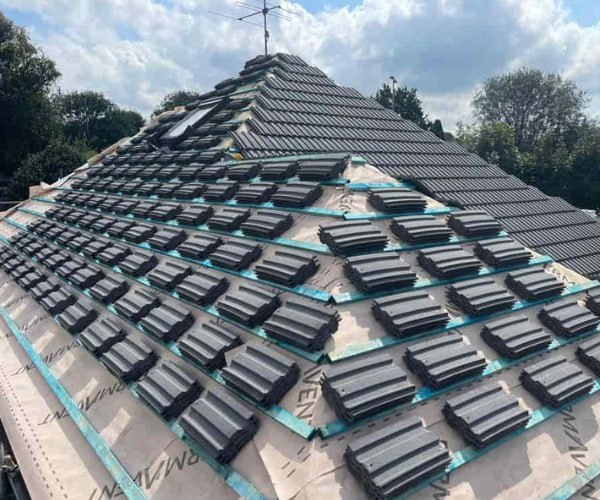
The Role of Roof Underlay in a New Roofing Installation
When installing a new roof, the visible tiles or slates are only one part of the overall roofing system. Beneath the outer covering is another important component: the roof underlay. This protective layer provides additional defence against moisture and wind, helping the roof perform effectively in changing weather conditions.
For homeowners in Tickhill, South Yorkshire, understanding the role of roof underlay is important when planning a new roofing installation. Choosing suitable materials and ensuring they are fitted correctly can make a significant difference to the roof’s overall performance, durability and ability to protect the property.
What Is Roof Underlay?
Roof underlay is a protective membrane installed beneath the roof covering, such as tiles or slates. It sits over the supporting roof structure and provides a secondary layer of protection against water and wind-driven rain that may pass beneath the external covering.
Although roof tiles and slates are designed to form the primary weatherproof barrier, they are not completely sealed against every weather condition. Strong winds, damaged tiles or wind-driven rain can sometimes allow moisture to pass through small gaps.
The underlay helps manage this moisture and provides an additional line of defence before it can reach the roof structure or internal areas of the property.
How Roof Underlay Protects Against Moisture
One of the main functions of roof underlay is to help prevent water from reaching the underlying roof structure. If rain passes beneath the tiles or slates, a correctly installed membrane helps direct moisture towards the roof drainage system rather than allowing it to penetrate further into the building.
This is particularly important around vulnerable areas where the roof covering may be more exposed to wind-driven rain.
However, underlay should not be treated as a substitute for sound roof tiles, flashing or proper drainage. It works as part of a complete roofing system, with every component contributing to weather protection.
Supporting Protection Against Wind
Wind can affect more than the external roof covering. Strong gusts may create pressure differences around the roof, potentially lifting or disturbing tiles and allowing wind-driven rain to enter.
Suitable roof underlay provides an additional protective layer beneath the covering. When installed with the correct fixings, overlaps and detailing, it helps maintain the roof’s resistance to weather exposure.
The choice of membrane and its installation method should take account of the roof design, pitch and the requirements of the roofing system. Correct detailing around edges, ridges and penetrations is particularly important to maintain continuity.
Different Types of Roof Underlay
There are different types of roofing underlay available, and selecting the right one depends on the design and requirements of the property.
Common options include:
- Breathable membrane: Designed to allow water vapour to pass through while helping prevent external moisture from entering the roof structure.
- Traditional bituminous felt: A more conventional underlay material that provides a protective layer beneath the roof covering and is used in suitable roofing systems.
- Modern synthetic membranes: Lightweight materials developed to provide weather protection and practical handling during installation.
Not every underlay is suitable for every roof. Factors such as roof construction, ventilation arrangements and the external covering should be considered before choosing a material.
The Importance of Roof Ventilation
Roof underlay and ventilation need to work together to help manage moisture within the roof space. Everyday activities such as cooking, bathing and drying clothes can introduce water vapour into a property. Some of this moisture may travel into the loft area.
If moisture becomes trapped within the roof structure, condensation can develop on colder surfaces. Over time, persistent condensation may contribute to damp conditions and timber deterioration.
Breathable membranes can help manage water vapour, but they do not automatically remove the need for suitable ventilation. The correct ventilation strategy depends on the roof design and the type of underlay being installed.
A professional roofer can assess these requirements and ensure the roofing system is designed to manage moisture effectively.
Why Correct Underlay Installation Matters
Even a high-quality membrane may not perform as intended if it is installed incorrectly. Poorly formed overlaps, unsuitable fixings or inadequate detailing around roof openings can create weak points where moisture may enter.
During a new roofing installation, particular attention should be given to:
- Correct positioning and orientation of the membrane.
- Appropriate overlaps between adjoining sections.
- Secure fixing without unnecessary damage to the material.
- Proper detailing around chimneys, roof windows and other penetrations.
- Suitable arrangements at eaves and other drainage points.
These details help create a continuous protective layer beneath the external roof covering.
Choosing the Right Underlay for a New Roof
The most suitable underlay depends on several aspects of the property, including roof pitch, covering material, construction and ventilation requirements.
An experienced roofing specialist will consider how the underlay needs to work alongside the other roofing components rather than selecting a membrane based on its individual features alone.
For properties in Tickhill, South Yorkshire, professional guidance can help ensure that the new roof is constructed with suitable materials and appropriate installation methods from the outset.
Conclusion
Roof underlay plays an essential role in a new roofing installation by providing secondary protection against moisture and wind-driven rain. When combined with suitable ventilation, quality roof coverings and correct installation techniques, it helps create a reliable roofing system that protects the property.
If you are planning a new roof or considering replacing an ageing roofing system in Tickhill, GKL Roofing Tickhill can help with professional roofing services and advice on suitable materials. Contact the team to discuss your requirements and ensure every layer of your new roof is given the attention it deserves.
Call us on: 01302 490 497
Click here to find out more about GKL Roofing Tickhill
Click here to complete our contact form and see how we can help with your roofing needs.