Common Roofing Problems Caused by Failing Leadwork
Leadwork is one of the most important yet often overlooked components of a roofing system. Installed around chimneys, roof valleys, dormer windows, and wall junctions, lead flashing creates a watertight seal that prevents rainwater from entering vulnerable areas of the roof. When leadwork begins to fail, a range of roofing problems can develop, many of which become more serious if left unresolved.
For homeowners in Tickhill, South Yorkshire, understanding the warning signs and consequences of failing leadwork can help prevent costly damage and maintain the integrity of the roof. At GKL Roofing Tickhill, we provide professional leadwork inspections, repairs, and replacements to ensure roofs remain weather-resistant and dependable.
Why Leadwork Is So Important
Lead is widely used in roofing because of its durability, flexibility, and ability to create a watertight barrier. It is designed to accommodate natural movement within the roof structure while continuing to protect joints and transitions from water ingress.
Although lead has an excellent lifespan, it is not immune to wear and damage. Over time, weather exposure, movement, and ageing can affect its performance, creating opportunities for roofing issues to develop.
Roof Leaks Around Chimneys
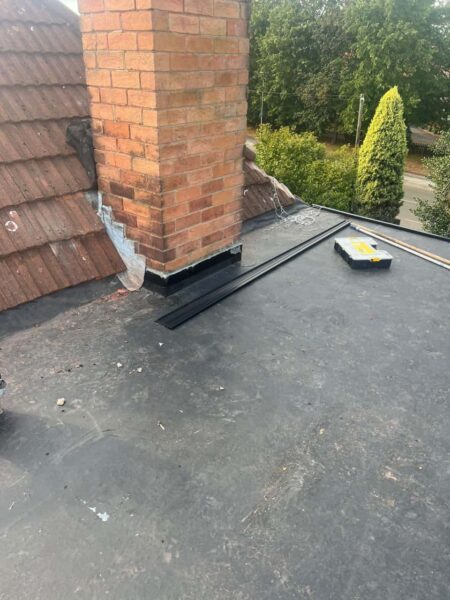
One of the most common problems caused by failing leadwork is water penetration around chimneys. Lead flashing is responsible for sealing the gap between the chimney stack and the roof covering.
If the flashing becomes cracked, loose, or damaged, rainwater can find its way beneath the roof covering. This often results in leaks that may not become visible until internal signs of dampness appear.
Prompt attention to damaged leadwork helps prevent water from entering the property.
Water Ingress at Roof Junctions
Roof junctions are areas where different sections of the roof meet, making them particularly vulnerable to water ingress. Lead flashing is commonly used to protect these transitions.
When leadwork deteriorates, these junctions can become weak points that allow moisture to penetrate the roof structure. Over time, this can affect surrounding roofing materials and lead to further deterioration.
Maintaining effective flashing is essential for protecting these critical areas.
Damp and Moisture Problems
Failing leadwork often allows small amounts of water to enter the roof over extended periods. While the initial problem may seem minor, ongoing moisture penetration can create larger issues within the roof space.
Signs of moisture ingress may include staining, damp patches, or visible signs of water damage. Early identification of leadwork issues can prevent these problems from becoming more widespread.
Keeping the roof watertight is crucial for protecting the property.
Damage to Roofing Materials
Water entering through defective leadwork can affect surrounding roofing materials. Roof tiles, underlay, timber structures, and other components may be exposed to moisture that would otherwise be kept out.
As these materials deteriorate, the performance of the roof can decline. What begins as a small leadwork issue can eventually affect a much larger area of the roofing system.
Addressing the source of the problem early helps preserve the condition of the roof.
Loose or Displaced Lead Flashing
Lead flashing can sometimes become loose due to weather exposure or natural movement within the roof structure. Once sections begin to lift or separate from the roof, their ability to direct water away is reduced.
This creates gaps where rainwater can enter and increases the likelihood of leaks developing during periods of heavy rainfall.
Regular inspections help identify loose flashing before significant issues arise.
Increased Risk During Severe Weather
Damaged leadwork is often exposed during adverse weather conditions. Strong winds and persistent rainfall can quickly reveal weaknesses in flashing that may otherwise go unnoticed.
A roof with compromised leadwork is more vulnerable to weather-related damage, making preventative maintenance particularly important.
Professional inspections can identify areas requiring attention before severe weather causes further problems.
The Importance of Professional Leadwork Repairs
Leadwork requires specialist knowledge and precise installation techniques to perform effectively. Repairs must be carried out carefully to ensure a secure and watertight finish.
At GKL Roofing Tickhill, we provide expert roofing services throughout Tickhill, South Yorkshire, helping homeowners identify leadwork issues and restore the protection their roofs require.
Professional workmanship ensures that lead flashing continues to perform as intended for years to come.
Conclusion
Failing leadwork can cause a variety of roofing problems, including leaks, dampness, water ingress at roof junctions, and deterioration of surrounding materials. Because lead flashing protects some of the most vulnerable areas of a roof, maintaining it is essential for the long-term health of the property.
For homeowners in Tickhill, South Yorkshire, regular inspections and prompt repairs can help prevent minor leadwork issues from developing into more serious roofing concerns. GKL Roofing Tickhill provides professional leadwork and roofing services designed to keep roofs secure, weather-resistant, and performing at their best. If you suspect your lead flashing may be deteriorating, seeking expert advice is the best way to protect your home and maintain the integrity of your roof.
Call us on: 01302 490 497
Click here to find out more about GKL Roofing Tickhill
Click here to complete our contact form and see how we can help with your roofing needs.